
From Classroom to Clinic
Empowering Clinicians to Transform Lives

Helping Clinicians Navigate the Complexity of Co-occurring Disorders
with Clarity, Confidence, and Care

Supporting Clinicians in Complex Care

Working with co-occurring disorders—especially psychosis and substance use—can feel overwhelming. Many clinicians find themselves unsure of where to start, worried about doing more harm than good, or uncertain if their current approach is truly effective.

We provide a structured and research-backed way forward—one that helps clinicians feel grounded, prepared, and confident in their care.

Through our Integrated Recovery Principles, we offer a clear path for understanding and treating co-occurring disorders in a way that is practical, compassionate, and evidence-based.

How We Help

We know that treating co-occurring disorders can feel complicated. That’s why we provide a straightforward, step-by-step learning experience designed to help you:
Write your awesome label here.

A Structured, Integrated Framework

Traditional treatment models often separate psychosis and substance use, creating gaps in care. We teach a comprehensive, evidence-based approach that integrates both—so clinicians can treat co-occurring disorders with confidence and clarity.
Write your awesome label here.

 Practical Tools for Real-World Application

Theory alone isn’t enough. Our training provides clear, step-by-step techniques based on CBT for Psychosis, ACT, and Mindfulness, giving clinicians strategies they can apply immediately in their practice.
Write your awesome label here.

A Supportive Learning Experience

Clinicians shouldn’t have to figure this out alone. We offer on-demand courses, live training, supervision and consultation options, so professionals can learn at their own pace, feel supported, and stay grounded in their work.

Who is this for?

Designed for Clinicians Seeking More Clarity
Our courses are for mental health professionals who want to:
  • Feel more confident when working with clients experiencing psychosis and substance use.
  • Learn practical, research-backed tools that can be used in real-world treatment settings.
  • Move away from fragmented treatment models toward a more holistic approach.
  • Reduce burnout and uncertainty in their clinical practice.
We understand the challenges of working with this population - and we’re here to help you navigate them with greater ease and effectiveness.
"Effective care begins with a clinician who feels informed, competent, and supported.
When we bring clarity to complexity, both professionals and clients thrive."

A Structured, Research-Backed Model

Many treatment models separate psychosis and substance use, leading to disjointed care and gaps in treatment. Our approach focuses on integrated recovery, giving clinicians a structured way to:

 Understand the complexities of psychosis and substance use together.

Apply practical strategies rooted in CBT for Psychosis, ACT, and mindfulness.

Reduce uncertainty in clinical decision-making with a clear, structured framework.

Meet Your Instructor:
Jeffery Roskelley, LICSW

With over 16 years of experience, Jeff Roskelley specializes in the integrated treatment of psychosis and substance use, training clinicians in evidence-based approaches that bridge research and real-world practice. His background spans community mental health, integrated care facilities, and academic training, with expertise in clinical supervision and agency consultation.

Jeff has trained thousands of clinicians through his private practice, SOUND Life Recovery, as well as through his work with the University of Washington Department of Psychiatry. His clear, structured approach helps professionals feel confident, prepared, and effective in their work with co-occurring disorders.
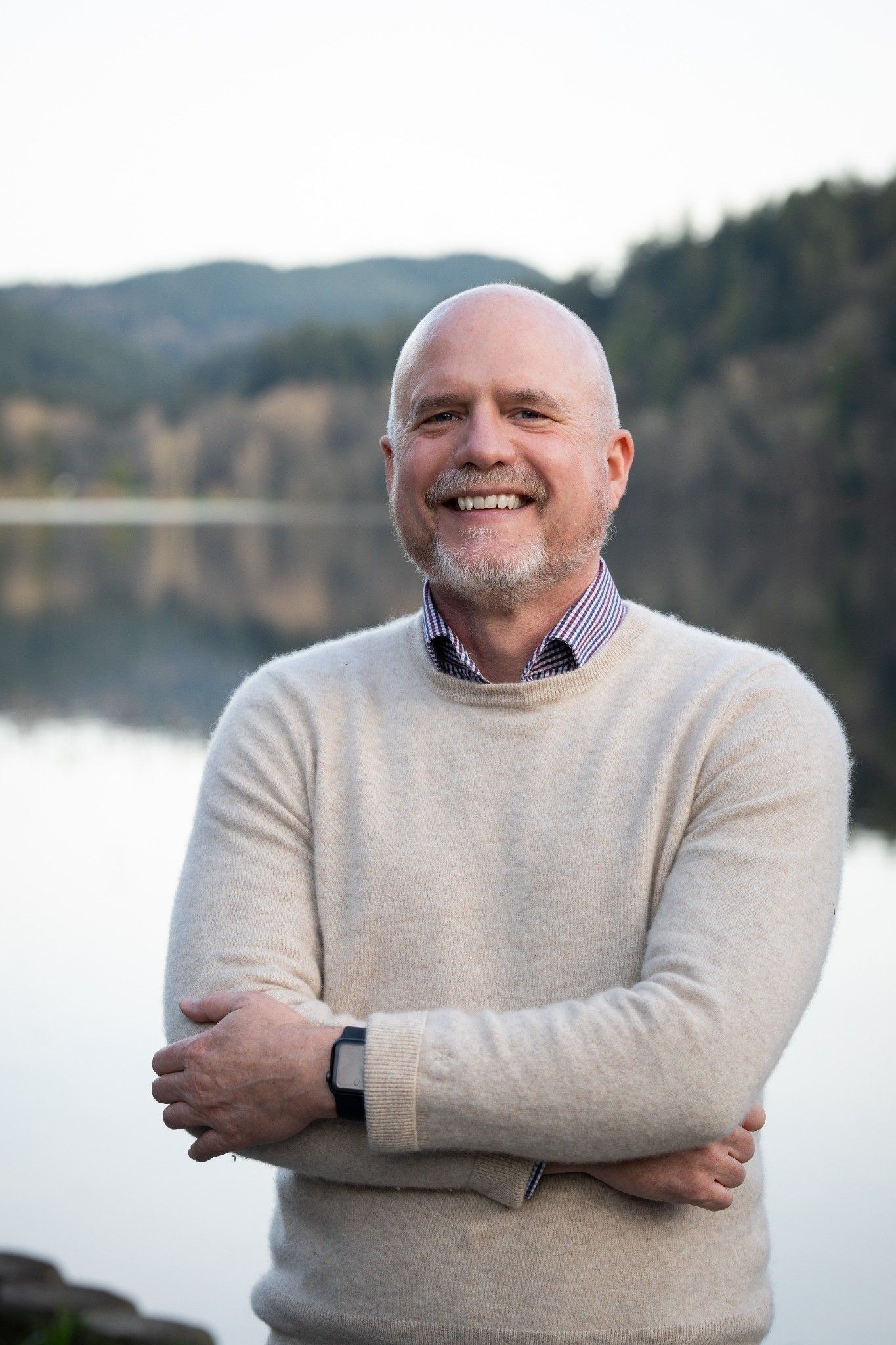
Jeffery Roskelley, LICSW

Licensed Independent Clinical Social Worker
Co-founder, SOUND Life Learning
Co-founder, SOUND Life Recovery
Free Resource: A Practical Guide to Integrated Recovery

Start With a Clear, Structured Approach to Treating Co-Occurring Disorders

Understanding how to effectively treat psychosis and substance use together can feel overwhelming. This free guide introduces Integrated Recovery Principles, providing a practical foundation for clinicians who want to feel more confident and prepared in their approach.